Common Causes Of Clogged Floor Drains or Laundry Drains In Homes
Local contractors who specialize in floor and laundry drain clearing can help resolve common causes of clogs, restoring proper drainage and preventing water damage in your home.
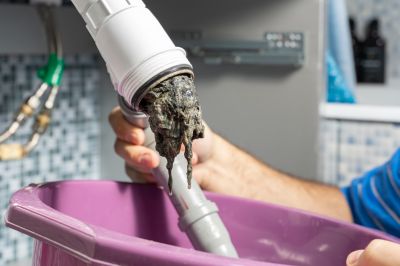
Homeowners experiencing issues with clogged floor drains or laundry drains often wonder about the underlying causes. Common reasons include the buildup of debris such as dirt, hair, soap scum, and lint, which can accumulate over time and restrict water flow. Additionally, small objects or foreign materials may accidentally find their way into drains, leading to blockages. Recognizing these typical culprits can help property owners understand why drains become sluggish or stop draining altogether, making it easier to seek effective solutions.
Local contractors who specialize in drain clearing are well-equipped to address these issues and restore proper function. They can identify the specific causes of clogs and remove obstructions safely and efficiently. Whether it’s a simple buildup or a more stubborn blockage, these service providers have the experience to handle a variety of drain problems. Exploring the common causes of clogged floor drains or laundry drains in homes can lead property owners to the right professional help, ensuring drains stay clear and functioning smoothly.
- Floor drain clearing - needed when standing water or slow drainage indicates a blockage caused by debris or buildup, with local contractors using specialized tools to remove obstructions.
- Laundry drain clearing - required when laundry room drains back up or emit foul odors, and local service providers typically perform drain snaking or hydro-jetting to restore proper flow.
- Floor drain cleaning services - sought when grime, soap scum, or hair accumulate in floor drains, with local pros employing cleaning agents and equipment to prevent clogs.
- Laundry drain maintenance - necessary when recurring clogs disrupt laundry routines, with local contractors inspecting and clearing drains to prevent future blockages.
- Drain clog troubleshooting - needed when homeowners experience persistent drainage issues, with local pros diagnosing causes like grease or foreign objects and providing effective clearing solutions.
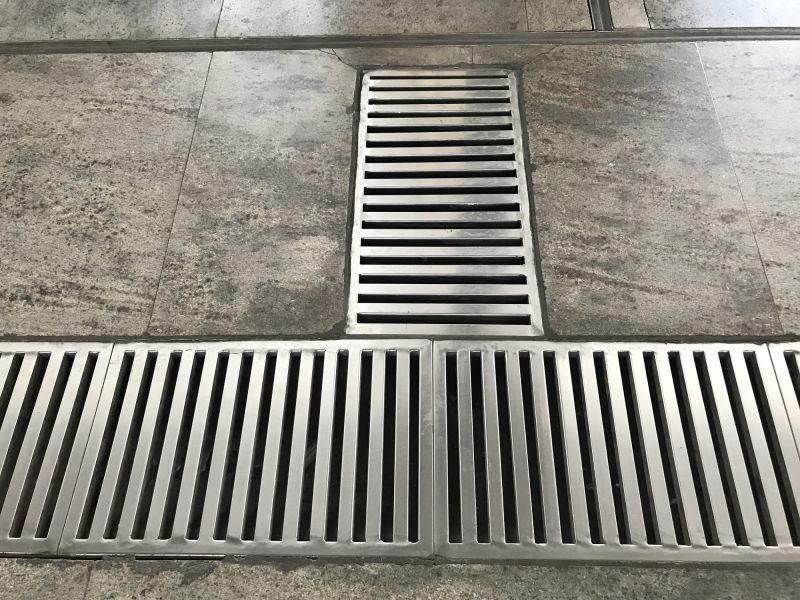
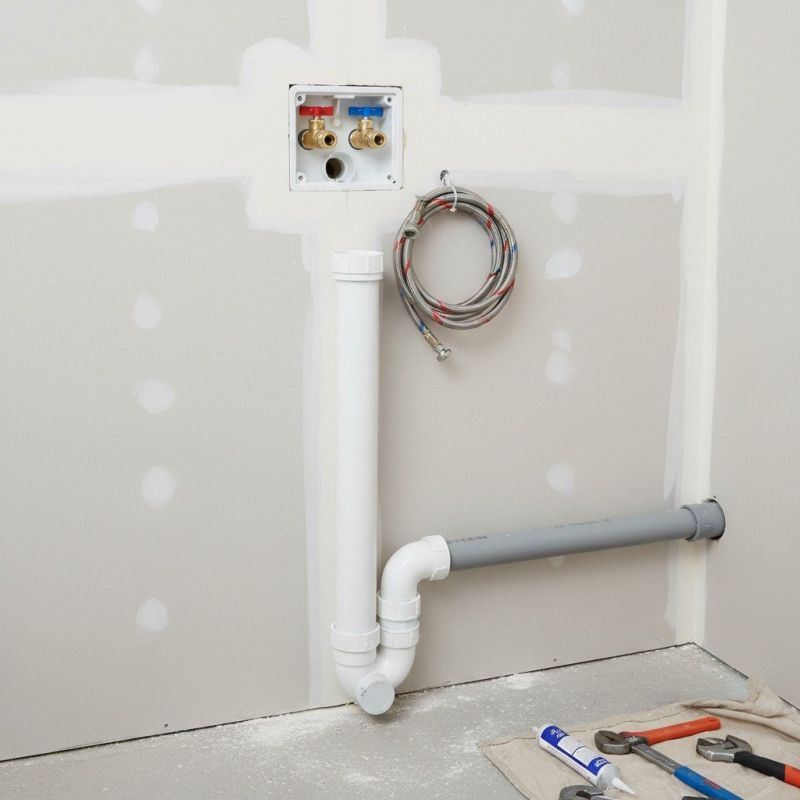
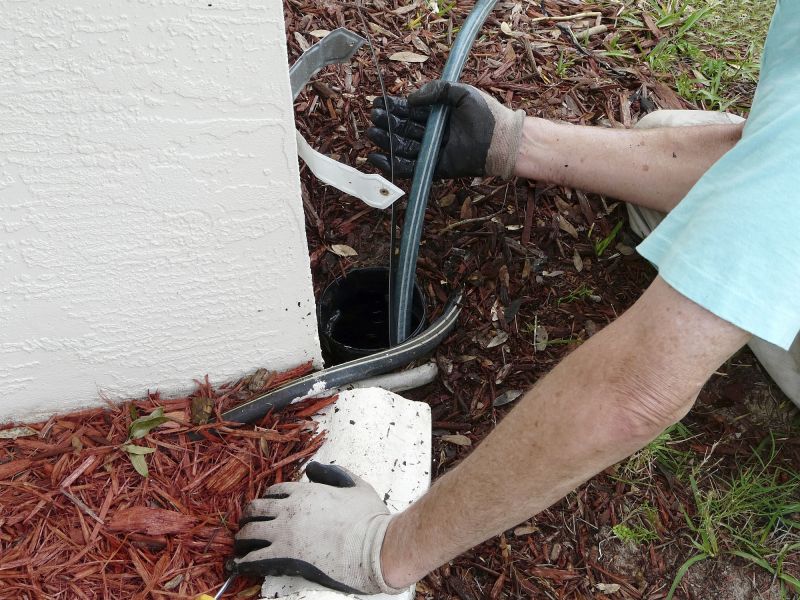
Understanding the common causes of clogged floor drains or laundry drains in homes helps homeowners identify why these issues occur and when professional help may be needed. When people search this topic, they often want to learn about the typical reasons behind slow draining or standing water in these areas, especially since such problems can disrupt daily routines. These drains are usually part of the home's plumbing system, serving as crucial outlets for excess water from laundry rooms, basements, or utility areas. Recognizing the root causes can assist homeowners in planning effective repairs or maintenance, and it highlights the importance of connecting with experienced service providers who specialize in drain clearing and maintenance.
Problems related to clogged floor or laundry drains often stem from a combination of household activities and environmental factors. Common causes include the buildup of lint, soap scum, and hair, which can accumulate over time and create blockages. Other frequent culprits are debris like dirt, small objects, or even grease that inadvertently find their way into the drain. Additionally, tree roots can invade underground pipes, causing significant obstructions, especially in older properties with aging plumbing systems. Recognizing these issues as part of typical causes allows homeowners to better understand how everyday habits and property conditions contribute to drain clogs, and how professional drain clearing services can address these problems effectively.
The types of properties most affected by clogged floor and laundry drains tend to include older homes, multi-story residences, and properties with extensive plumbing networks. Commercial or rental properties with high water usage may also experience these issues more frequently. In homes with basements or utility areas, drains are often exposed to more debris or external elements, increasing the likelihood of clogs. Properties located near mature trees or with aging pipes are particularly susceptible to tree root intrusion and pipe deterioration. For homeowners facing persistent drain problems, connecting with local contractors who specialize in drain clearing can help diagnose the specific causes and implement targeted solutions that restore proper drainage and prevent future issues.
Knowing the common causes of clogged floor drains or laundry drains in homes provides a practical foundation for addressing these problems. Homeowners should consider how everyday activities, household materials, and property features can contribute to blockages. Local service providers specializing in drain clearing are equipped to handle these varied causes, whether it involves removing accumulated debris, breaking up tree roots, or repairing damaged pipes. Recognizing the typical issues and understanding how they relate to the property’s plumbing setup can make it easier to plan for professional assistance, ensuring that the drains are cleared efficiently and kept functional for the long term.
Drain Cleaning Projects - These projects involve clearing blockages in various household drains, requiring similar tools and techniques used in floor and laundry drain clearing services.
Pipe Inspection Services - Using inspection cameras to identify clogs or damage in plumbing lines parallels the assessments performed when diagnosing issues with floor or laundry drains.
Main Sewer Line Clearing - Addressing larger sewer blockages often involves techniques and equipment comparable to those used for clearing stubborn floor or laundry drain clogs.
Kitchen and Bathroom Drain Repairs - Fixing or replacing problematic drains in other areas of the home shares planning and skill sets with laundry and floor drain maintenance.
Grease Trap Cleaning - Removing buildup in grease traps involves similar cleaning methods and tools as those used to prevent common causes of drain clogs in homes.
Storm Drain Maintenance - Clearing outdoor drainage systems requires planning and equipment similar to indoor drain cleaning, making these projects related in scope and approach.
When evaluating service providers for floor drain or laundry drain clearing, it’s important to consider their experience with similar projects. Homeowners should seek out local contractors who have a proven track record of successfully addressing common causes of clogged floor drains or laundry drains in homes. An experienced professional will be familiar with the typical issues that lead to blockages, such as debris buildup, grease, or foreign objects, and will know the most effective methods to resolve these problems efficiently. This familiarity can help ensure the work is done correctly the first time, reducing the likelihood of recurring clogs and unnecessary follow-up visits.
Clear communication of expectations is essential when choosing a service provider. Homeowners should look for contractors who are transparent about the scope of work, the process involved in clearing drains, and any potential follow-up steps. A reputable local contractor will be able to explain what causes common drain clogs, what the clearing process entails, and how to prevent future issues. This clarity helps set realistic expectations and provides peace of mind that the project will be handled professionally. Clear communication also fosters trust and makes it easier to address any questions or concerns that may arise during the service.
Reputable references and good communication are key indicators of a dependable service provider. Homeowners are encouraged to seek out local contractors who can provide references or reviews from previous clients who experienced similar drain issues. Positive feedback and verified references can give confidence in the contractor’s ability to handle common causes of clogged floor drains or laundry drains effectively. Additionally, good communication throughout the process ensures that homeowners remain informed about the progress and understand any recommendations for ongoing maintenance or preventative measures. This combination of experience, clear expectations, and reliable references helps homeowners make informed decisions when selecting a contractor for drain clearing services.
Property owners often search for common causes of clogged floor drains or laundry drains in homes when they are planning practical projects around their homes and businesses. Local pros provide Floor Drain or Laundry Drain Clearing services for everyday jobs and straightforward project options.
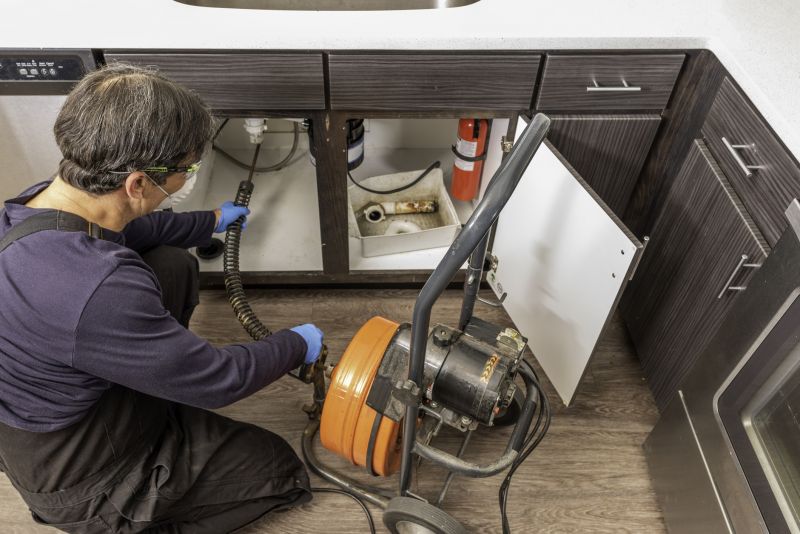
Many property owners in the area seek out information about common causes of clogged floor drains or laundry drains in homes because these issues often arise from everyday activities. For instance, buildup of debris such as hair, soap scum, and lint can easily accumulate in drains over time, leading to slow drainage or complete blockages. Additionally, improper disposal of items like grease or solid waste down these drains can contribute to clogs, especially if household habits include rinsing greasy dishes or flushing non-flushable items. Understanding these simple, routine causes can help homeowners recognize when professional drain clearing services might be needed to restore proper flow.
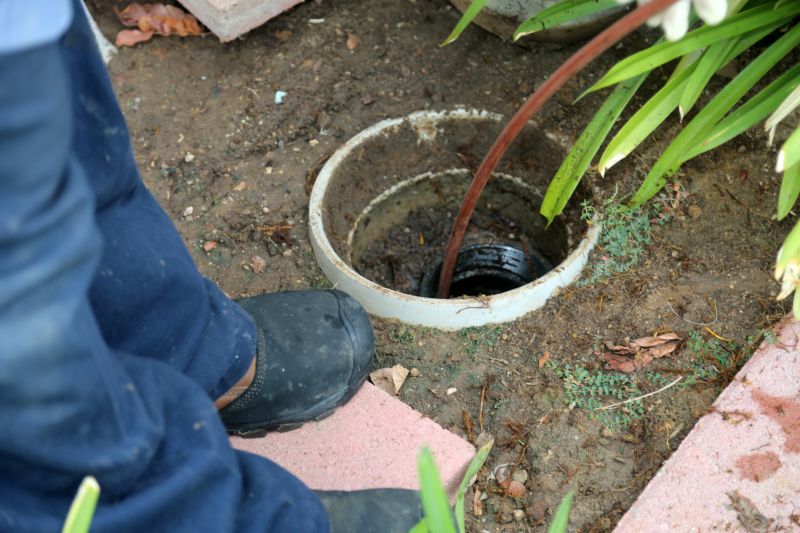
Another frequent reason property owners look into drain clearing services is due to structural or environmental factors that cause obstructions. For example, tree roots can infiltrate underground drain lines, creating blockages that are difficult to remove without professional equipment. Accumulation of mineral deposits or corrosion within older pipes can also restrict water flow, leading to recurring clogs. In many cases, these issues develop gradually and may not be obvious until drainage problems become severe. Local contractors experienced in floor and laundry drain clearing can assess the situation, identify the root cause, and provide effective solutions to prevent future issues.
What are common causes of clogged floor drains or laundry drains in homes? Common causes include accumulation of debris, soap scum, hair, and grease that can build up over time and block the drain pipes.
How does hair contribute to drain clogs in laundry or floor drains? Hair can trap other debris and form stubborn clogs in drain pipes, especially in laundry drains where hair from clothing or personal care is washed away.
Can soap or detergent buildup cause drain blockages? Yes, soap scum and detergent residues can adhere to pipe walls, gradually narrowing the passage and leading to clogs in floor and laundry drains.
Are tree roots a common cause of floor drain or laundry drain clogs? Tree roots can infiltrate underground pipes seeking moisture, causing blockages and damage that result in drain clogs in homes.
What role does grease or oil play in causing drain clogs? Grease and oil can solidify inside pipes, trapping other debris and leading to persistent blockages in floor and laundry drains.
Accumulated Hair and Debris - Regularly removing hair and debris from drains can prevent buildup that causes clogs, and local contractors can provide thorough cleaning services.
Grease and Soap Buildup - Avoid pouring grease down drains and consider professional drain cleaning to remove soap scum that can block flow.
Foreign Objects and Small Items - Educating household members about avoiding small objects in laundry areas helps reduce blockages, and pros can clear stubborn obstructions.
Tree Roots and External Blockages - Tree roots can infiltrate underground pipes, and local service providers can inspect and clear these invasive blockages effectively.
If you are thinking about common causes of clogged floor drains or laundry drains in homes for a property, this guide is meant to help you understand this topic, the typical project types, and how different options might fit your plans.
When you are ready, you can use the quote form on this page to share a few details about your project. From there, local pros can review the basics and follow up with options that match what you have in mind.